In the final part of our series, We explore
- How Yeast & Fermentation interact with other ingredients
- Different ways to establish brand identity through sensory
- We will develop a comprehensive vocabulary and the ability to clearly communicate fermentation profiles to staff and customers alike
In this three part series, feel free to download our slides and watch these short videos explaining key points of fermentation.
Many Flavors of Fermentation Video Playlist
Yeast & Hops
- Yeast strain selection gives the brewer the ability to manipulate hop flavor, aroma, and intensity
- Different levels of attenuation alter the perceived bitterness due to amount of residual sugar
- Strain flocculation influences mouthfeel, body, and flavor
Yeast & Malt
- Attenuation: The percentage of sugars that yeast convert. Attenuation varies between strains, fermentation conditions and gravity
- Attenuation and the resulting ABV have a huge impact on the
sensory experience
- Residual sugar changes perceived bitterness, mouthfeel, malt flavor/aroma, hop flavor/aroma, etc.
Sensory Applications
Brand Sales Sheet
What fermentation attributes define this beer? Does it taste the same as the last batch? Is this batch “true to brand?” A brand sales sheet can also help educate by including or highlighting the backstory of the beer or tidbits about the ingredients
- Two Birds, One Stone:
- Ability to detect batch deviations/quality issues
- Employee education/brand familiarity
Example:
- Wit has clove-like phenols and orchard-like fruity ester, but should not show perceivable sulfur
Creating A Common Vocabulary
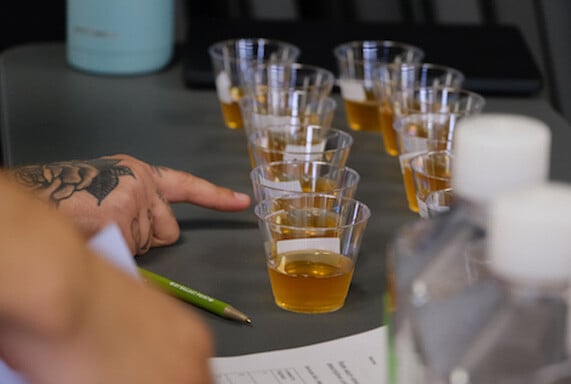
It’s important for all staff to communicate using the same vocabulary to
ensure consistency internally as well as set customer up for certain expectations.
Internally
- Tasting panel
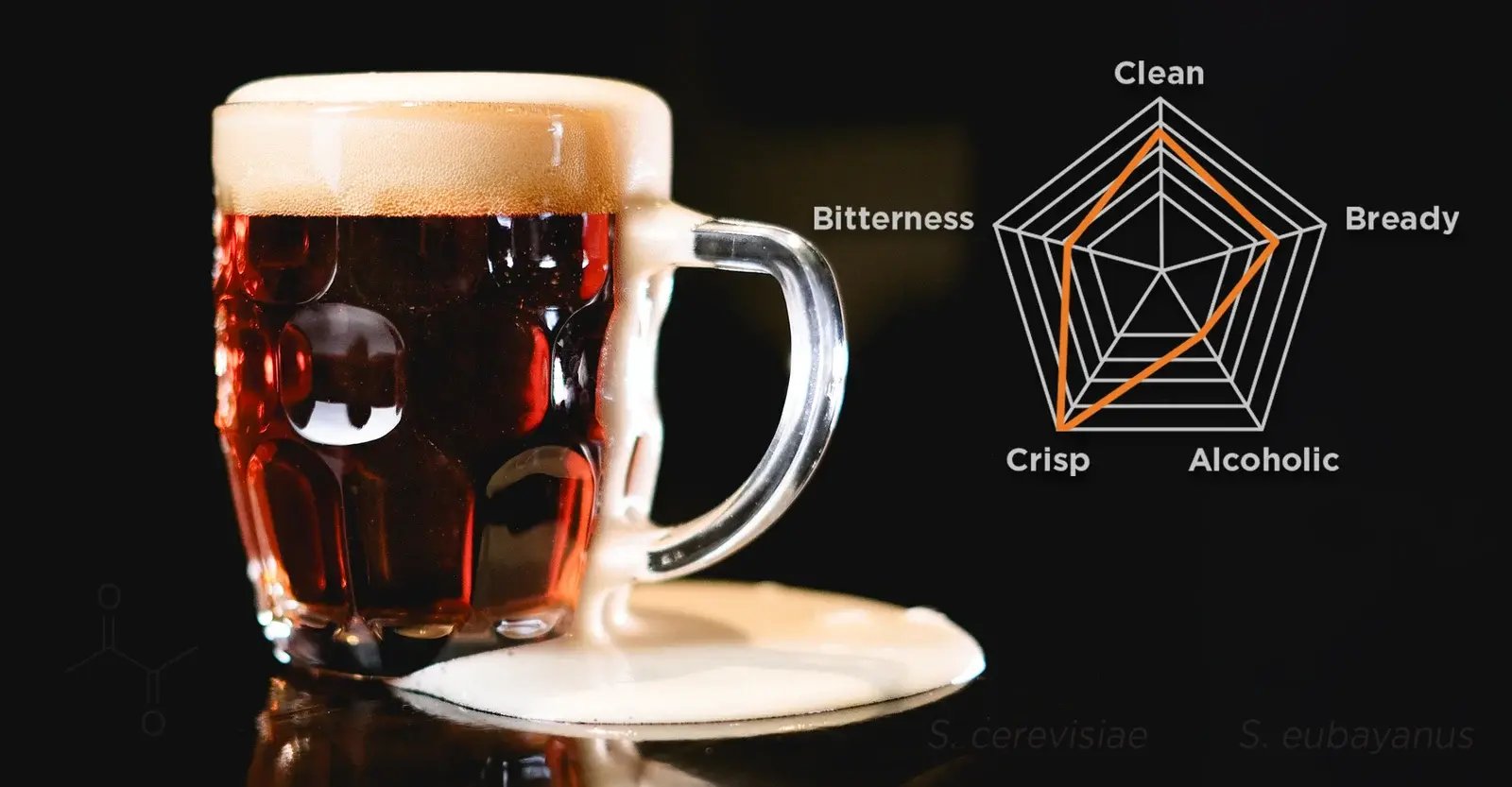
- Shared language creates usable data (i.e. butter popcorn = diacetyl)
- Sales meetings
- Does production staff and sales staff describe brands with the same
terms?
- Production meetings
- Great time for group tastings and discussion
Externally
- Accurate beer descriptions improve guest experience and increase sales,
maintain identity through staff
- Fruity: What type of fruit? Citrus, orange, orange pith
- Roasty: Coffee/chocolate? Light roast or dark roast
- Sweet: Sweet is often used inaccurately
- Establish communication pathway with customers
- Your descriptions influence customers before they taste the product
Customer Perception
- Be as accurate as possible in helping customers
- Naming them a certain style customers are familiar with
- Ex. A red ale grain bill but fermented with a lager yeast. Still labeled a red ale for customer/FOH ease.
- Some styles don't fit into certain style categories
- Ex. Historic Brown Ale: Is it a porter, a brett beer, or a historic beer?
Education Doesn't End Here
Practice Makes Perfect
Refresh your palate often! Through:
- Create a Memory Bank
- Set up blind tastings, group sensory, scoresheets, triangle test, etc.
- Triangle tests (three samples, determine the odd
sample)
- Judge your beer against commercial examples
- Utilize spikes
- Have Fun!
Conclusion
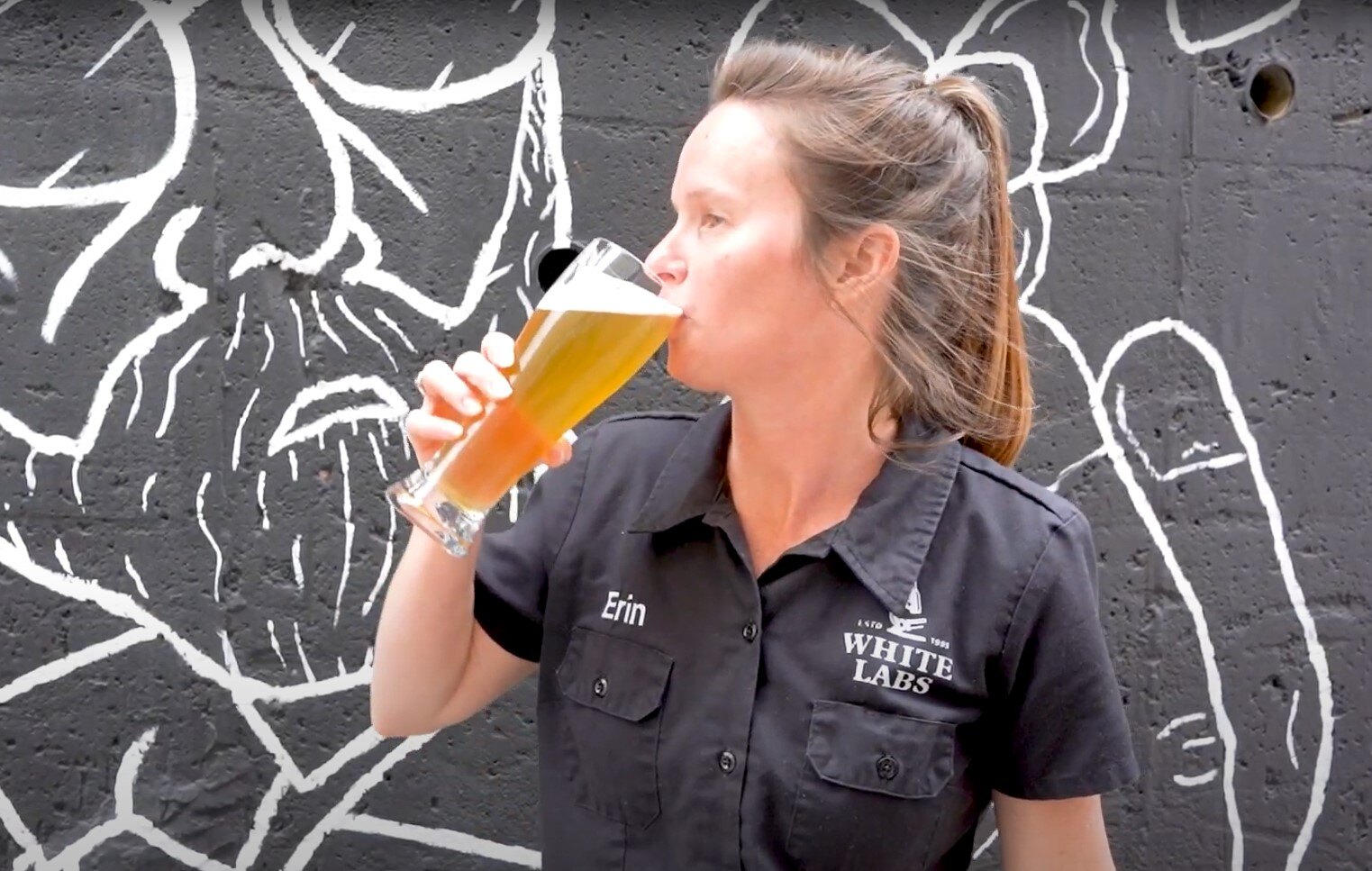
- Yeast impacts beer in more ways than just flavor and aroma
- Every category of sensory description is affected by yeast
- Fermentation profile can be a selling point and a way of differentiating
similar products
- Being able to effectively use similar vocabulary internally is essential
Hope you enjoyed our series of Many Flavors of Fermentation. For more educational resources be sure to check out more of our blog as well as educational events like our Hands-on Workshop Yeast Essentials.
Education Is At The Core Of White Labs
Step beyond the basics and dive deep into the science of fermentation in our practical, hands-on 2-day (or 3-day!) Yeast Essentials Workshop, designed for all beverage-makers who are serious about upping their game.
Whether you're refining your yeast harvesting practices or starting a quality control program, this workshop delivers powerful tools and advanced techniques to elevate your fermentation operations!