When most brewers talk about IPAs, the spotlight almost always lands on hops. New varieties, new products, and new combinations. It's easy to get caught up in the hop arms race.
But here’s the truth that every experienced brewer eventually learns:
You can’t brew a world-class IPA without world-class fermentation.
Yeast doesn’t just “make alcohol.” It determines how expressive your hops are, how soft your mouthfeel is, how stable your haze appears, how clean your finish is, and even whether your packaged beer stays stable. If you’ve ever wondered why two brewers using the same hop bill end up with entirely different beers… yeast is usually the reason.
Below is a practical, brewer-friendly guide to dialing in the yeast side of IPAs, built on what we see every day in breweries around the world.
Start With the Right Pitching Rate
For hazy, juicy, or high-gravity IPAs, pitching rate isn’t just a number; it’s a flavor driver.
|
Beer Style
|
Gravity Range
|
Recommended Pitch Rate
|
|
Session IPA
|
<1.048 / 12°P
|
0.50–0.75 million cells/mL/°P
|
|
Standard IPA
|
1.048–1.065 / 12°P–16°P
|
0.75–1.0 million cells/mL/°P
|
|
Double IPA
|
>1.065 / 16°P
|
1.0–1.25 million cells/mL/°P
|
Here’s the brewer’s version of what these numbers mean:
- Higher pitching rates = cleaner fermentation, fewer fusels, faster conditioning.
- Overpitching = washed-out esters and muted hop expression.
- Underpitching = more fruity esters… but also stressed yeast and unpredictable attenuation.
Aim for balance. Healthy yeast + correct rate = a more expressive IPA.
Not sure how many cells you actually need?
Batch size, gravity, yeast health, and generation all matter.
Use the White Labs Pitch Rate Calculator to dial it in precisely for your IPA.
Choosing the Right Yeast for the IPA You Want
Whether your IPA drinks crisp and bright or soft and tropical depends heavily on your strain choice. Think of yeast as your co-pilot. It shapes esters, biotransformation, attenuation, haze, and stability.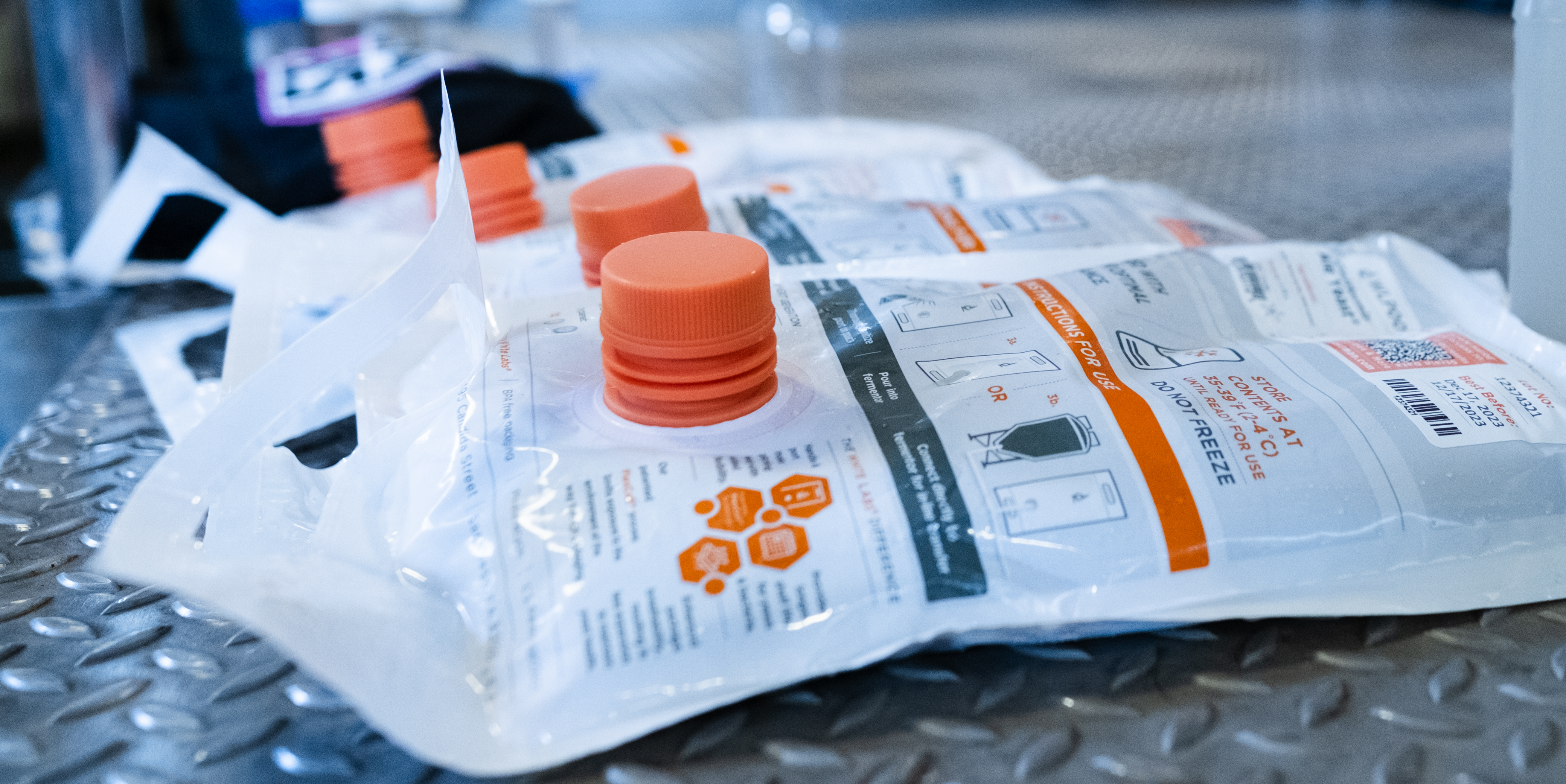 What actually matters when choosing an IPA yeast?
- Attenuation: How dry the beer finishes.
- Biotransformation: How much hop magic the yeast can unlock.
- Ester profile: Clean vs fruity.
- Flocculation: Affects haze, mouthfeel, and ease of yeast harvest.
- Alcohol tolerance: Needed for DIPA/TIPA.
- Thiol release: The key to modern, Sauvignon Blanc-style tropical IPAs.
Recommended strains by IPA style
|
IPA Style
|
What You Want
|
Yeast Examples
|
|
West Coast IPA
|
Clean, crisp, fast, high attenuation
|
WLP001, WLP090
|
|
Modern / Thiol-Driven IPA
|
Prominent thiols, moderate esters, and biotransformation
|
WLP077, WLP067
|
|
Hazy / NEIPA
|
Low flocculation, soft mouthfeel, juicy esters, haze stability
|
WLP066, WLP008,
WLP4000
|
|
Cold IPA
|
Lager-like crispness
|
WLP830, WLP860
|
|
DIPA / TIPA
|
High ABV performance
|
WLP001, WLP099
|
Brewing an IPA this month?
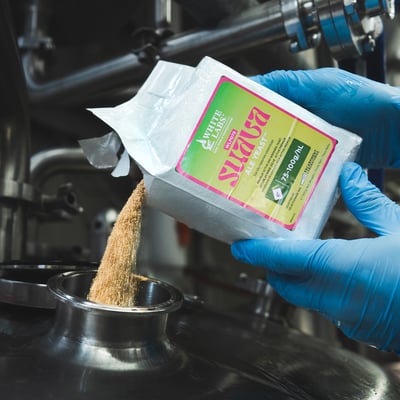
All of the strains above are available in PurePitch® Next Generation with verified cell counts and faster fermentations on Yeastman.com.
Fermentation Temperature: Where IPAs Are Won or Lost
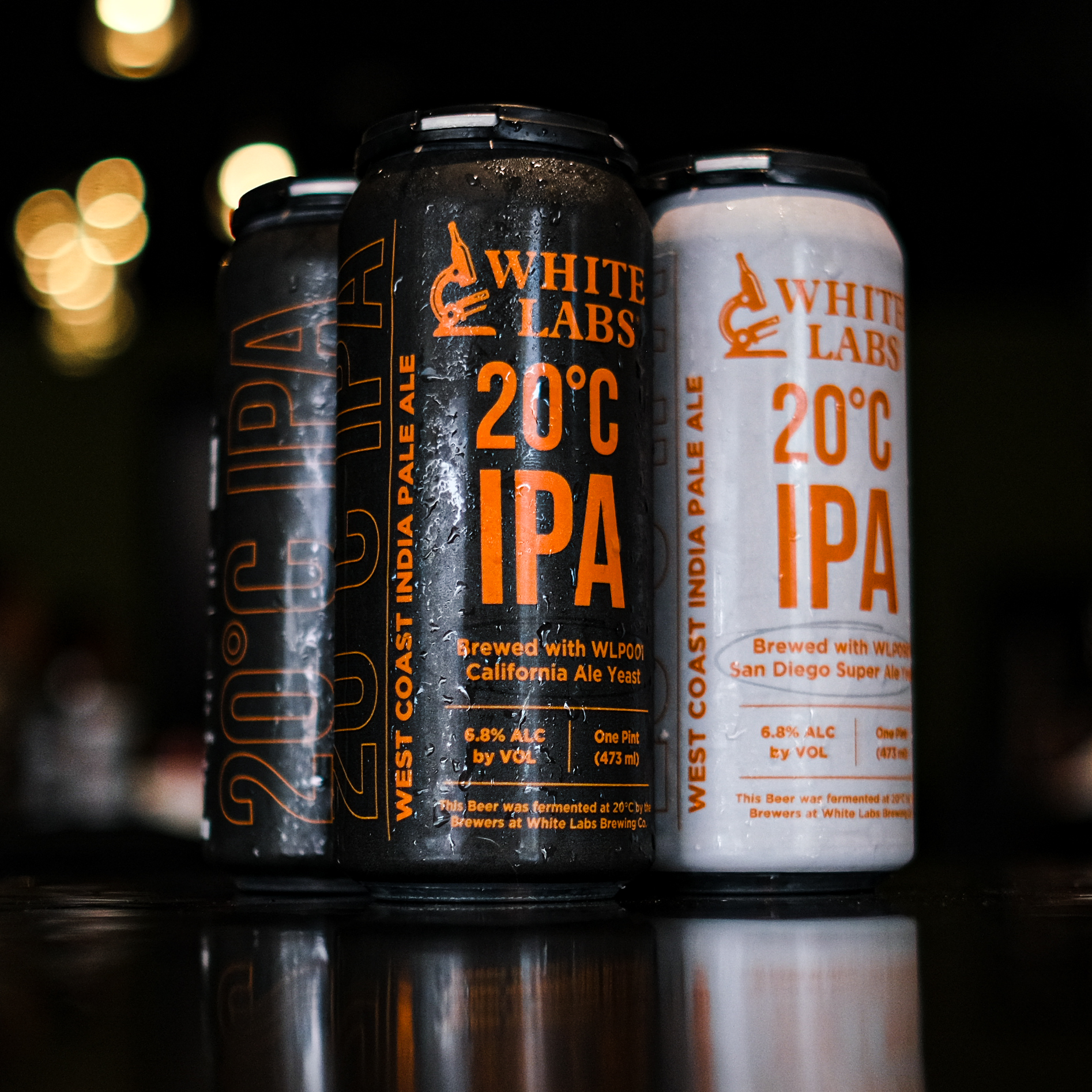
Most IPA fermentations thrive around 66–68°F (18–20°C), but the magic happens when you manage temperature, not just set it once and walk away.
|
Stage
|
Temperature
|
|
First 48 hours
|
66–68°F — cleaner, fewer fusels
|
|
Mid-fermentation
|
Allow rise to 69–72°F — esters & biotransformation
|
|
Diacetyl rest
|
70–72°F — cleanup + attenuation
|
Temperature ramps help your beer:
- Reduce fusels
- Develop esters
- Clean up diacetyl more effectively
- Hold haze better (especially with NEIPA strains)
Dry Hopping & Yeast Harvesting: Don’t Let Hops Ruin Your Slurry
If you reuse yeast, the timing of your dry hop matters more than most brewers realize.
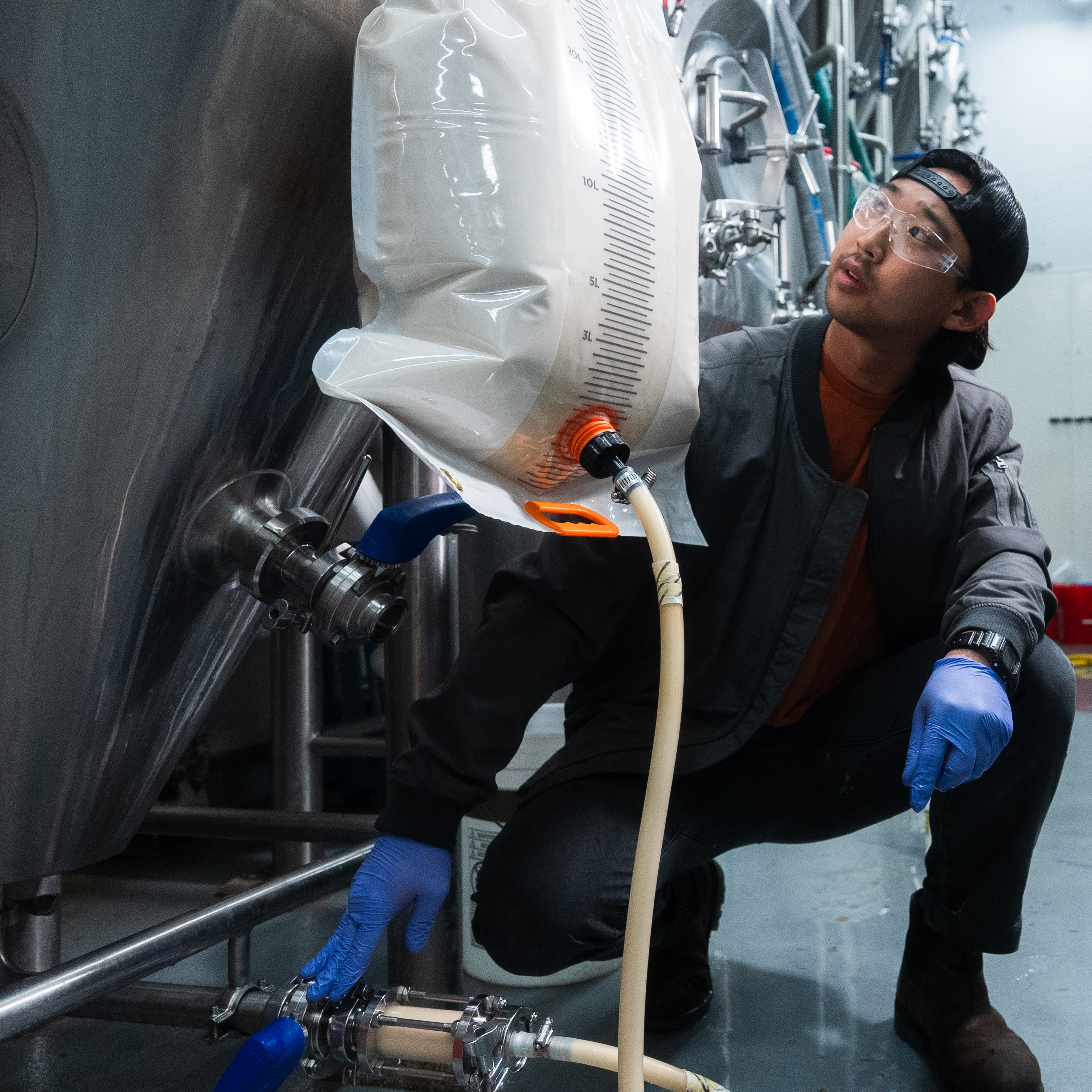
Best Practice: Soft Crash → Harvest → Dry Hop
- Cool to low 60s°F (~16°C)
- Apply 3–5 PSI
- Let the yeast partially floc out.
- Harvest clean yeast
- Dry hop afterward
Why it works:
- Hop oils stick to yeast cells → lower viability.
- Hop debris contaminates your slurry → bad for repitching.
- Cooler temps slow hop-derived enzymes → helps prevent hop creep.
Daily cone dumps during the last third of fermentation also make harvesting much cleaner.
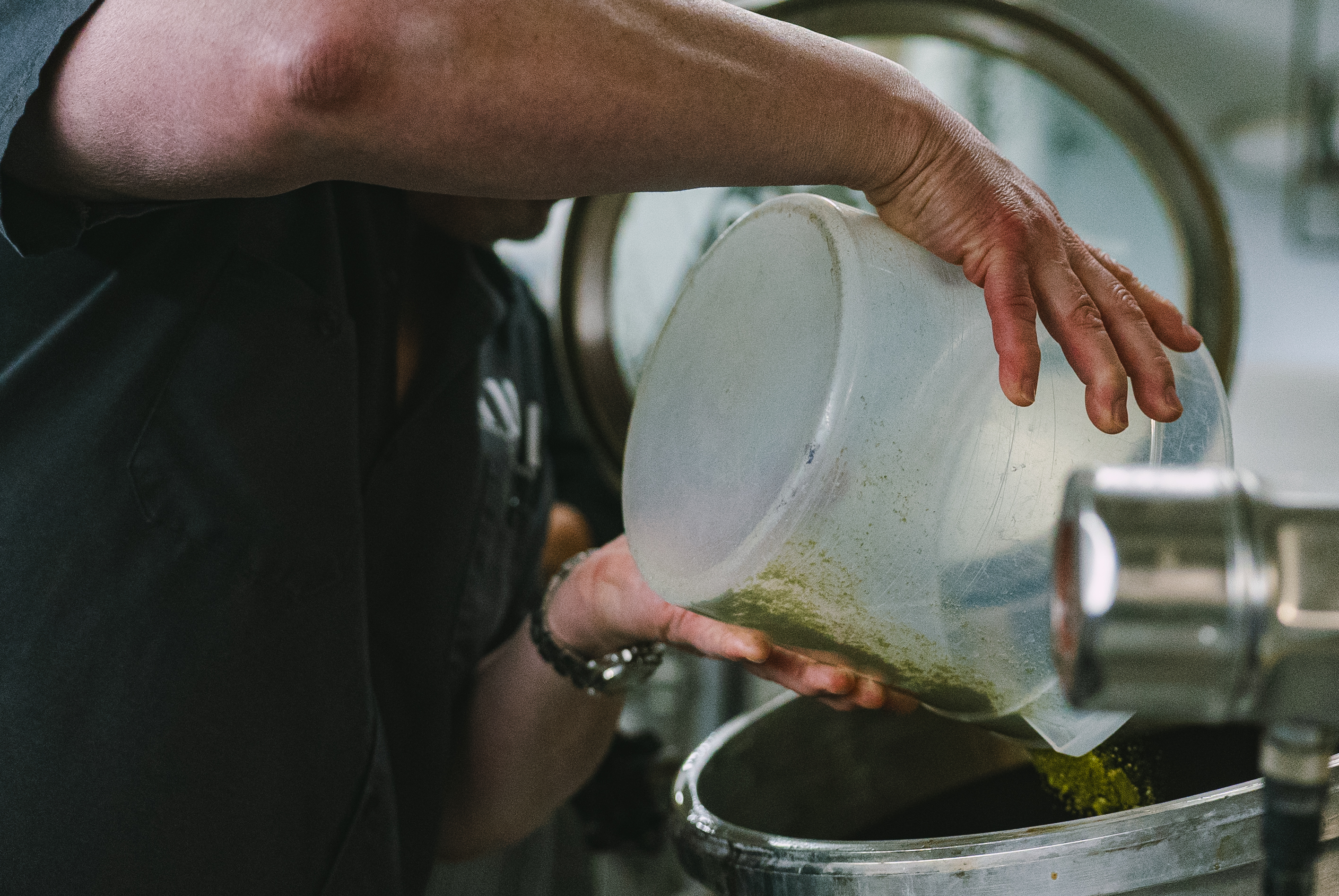
Hop Creep: The Fermentation You Didn’t Ask For
Hop creep happens when hop-derived amylases break dextrins back into fermentable sugars. Suddenly, your beer… ferments again.
What you might see:
- Final gravity drops unexpectedly
- ABV ticks up
- Diacetyl comes back
- Cans over-carbonate or gush.
- Haze destabilizes
How to keep hop creep under control:
✔ Use healthy yeast
✔ Dry hop below 59°F / 15°C
✔ Give the yeast time before crashing
✔ Add zinc to support secondary fermentation cleanup
Zinc: The Unsung Hero of Fermentation
Zinc is usually the limiting nutrient in modern brewing, especially in hazies with high hopping rates and low-nutrient wort.
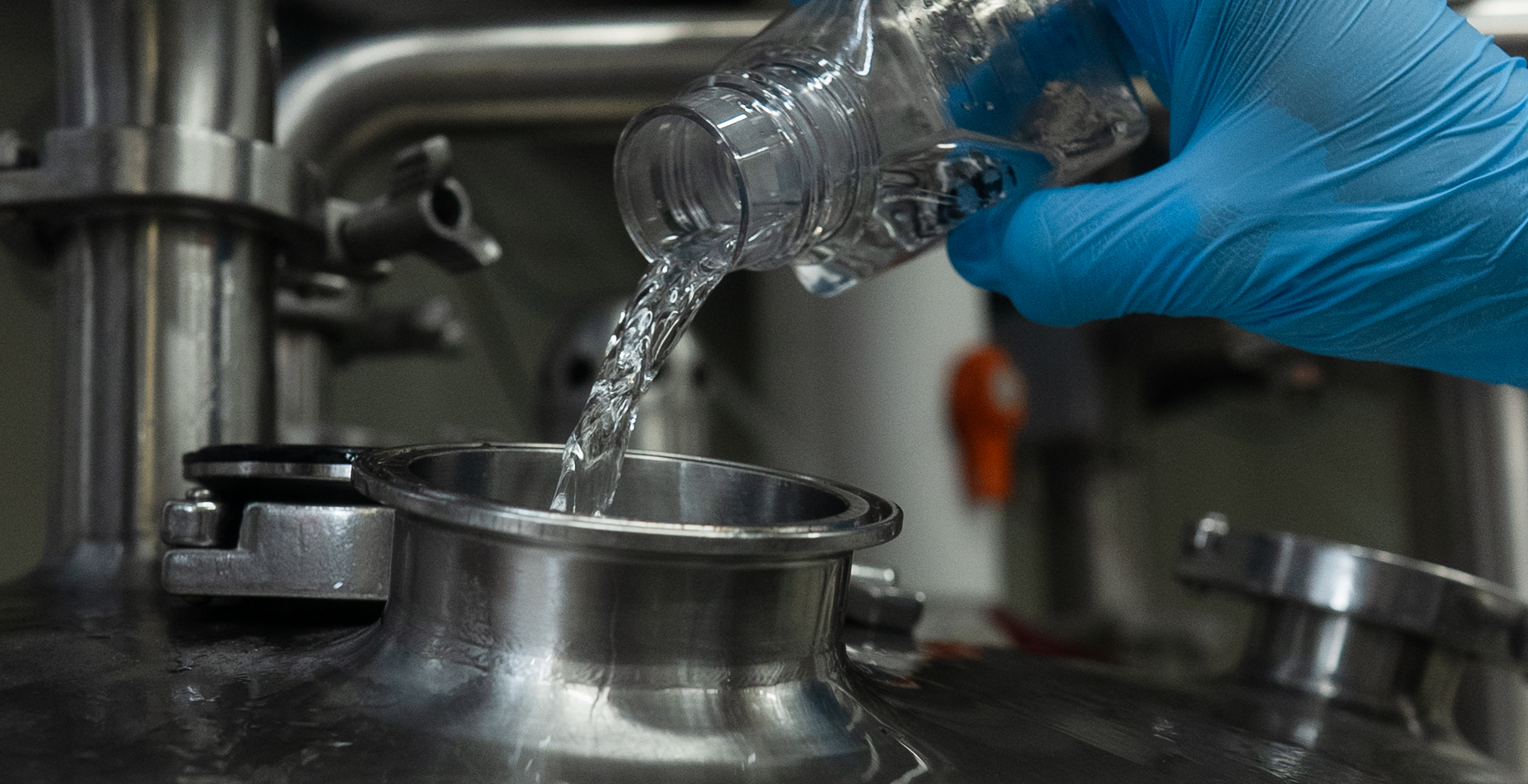
When yeast has adequate zinc:
- Fermentation is smoother and more consistent
- Yeast cell walls strengthen (better flocculation, better re-pitching)
- Yeast handles hop creep much more effectively.
- Diacetyl cleans up faster
It’s one of the most minor additions you can make… with the most significant impact.
👉 Add Zinc to Your Next Yeast Order.
Bottom Line: Treat Your Yeast Like a Flavor Ingredient
Hops may steal the spotlight, but yeast is directing the whole performance.
A genuinely great IPA comes from:
- Healthy yeast
- The right pitch
- Well-managed temperature
- Smart dry-hop timing
- Control over hop creep
- Adequate zinc
If you take care of your yeast, it will take care of your hops—and your IPA will taste brighter, cleaner, softer, more expressive, and more stable.
Yeast isn’t just fermenting your IPA. It’s defining it.