What is kombucha?
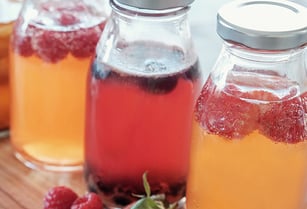
Kombucha is a popular fermented drink traditionally made of sugar, black tea, and a SCOBY.
What is a SCOBY?
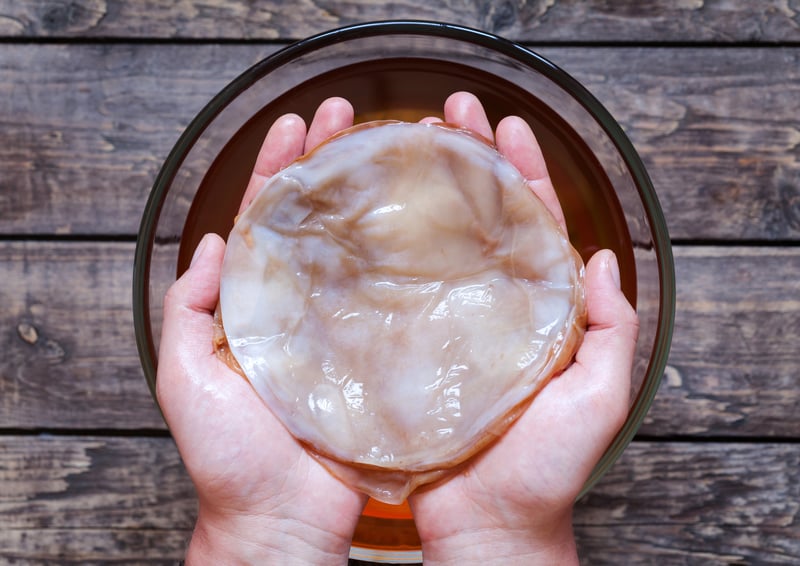
A SCOBY is an acronym for Symbiotic Culture of Bacteria and Yeast. These SCOBYs consist of microorganisms that differ greatly depending on the environment. Typically the SCOBY or “mother” are transferred batch to batch, each time you make kombucha. The organisms present produce cellulose during the fermentation process and create a biofilm, which creates a thick, gelatinous pad at the top of the fermentation vessel.
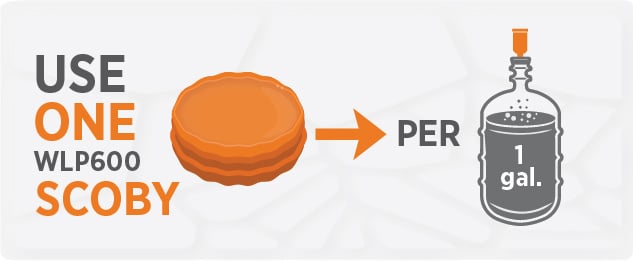
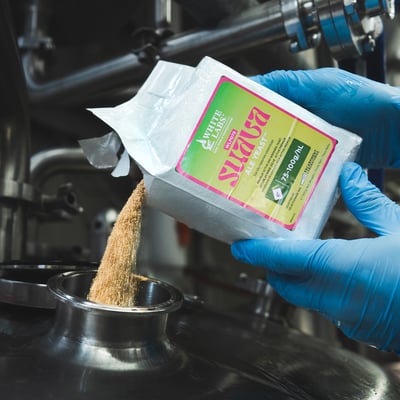
White Labs Kombucha Cultures are free of food pathogens and have been genetically identified to know specifically what yeast and bacteria are involved in the fermentation of kombucha. A complex combination of yeast and bacteria perfect for low alcohol production and medium acetic acid flavor.
A quick starter liquid is consisting of different bacteria and unique yeast strains! This SCOBY has medium acetic acid production and low alcohol production based on our recipe. The SCOBY diameter is 2.92 inches.
How do I keep my SCOBY healthy?
It’s important to keep SCOBYs free of mold and drying out. SCOBYs are quite hardy and can endure changes in temperatures and conditions quite easily.
Watch your temperatures. If the SCOBY becomes too warm and liquid evaporates, it could dry out.
Room temperature is fine for short term storage (< 2 months). For long-term storage we recommend they be refrigerated. If the fermentation is too cold, it will take longer for the fermentation.
Keeping the top of your SCOBY wet will help reduce the chances of mold developing. Additionally, keeping the fermentation away from air drafts (windows, doors, air vents) will also help reduce this.
How do I control the alcohol in my fermentation?
The main ingredient that has to be considered is sugar. Yeast converts sugar into alcohol and this is where the alcohol is coming from. It is difficult to control the yeast population in your SCOBY so it is much easier to control the sugar content. Check out our recipe below for a good starting place for a <0.5% ABV kombucha.
Recipe:
This recipe has been developed for making 1 gallon of non-alcoholic kombucha with our SCOBY. Our SCOBY contains a starter liquid that helps reduce the pH and kick start the fermentation.
Ingredients needed:
- 14 cups water (Spring Water or Distilled)
- 1 cup sugar
- 8 tea bags
- 1 WLP600 SCOBY per fermentation container
Optional:
- 2 cups of Starter or Store Bought Kombucha
- Distilled White Vinegar
Materials needed:
- Pot to boil water
- 1-gallon bucket, or jar for the fermentation container
- Tea towel or tightly woven cloth
- 1-gallon growler or food-grade bucket- Clean and sanitize before use
- pH strips
Procedure
- Measure out 14 cups water and bring it to a boil in a large pot. Remove from heat, add 1 cup sugar and stir until dissolved. Place 8 tea bags into the hot water and steep for 30 minutes.
- Remove tea bags and pour the mixture into the fermentation container.
- When tea is at room temperature, place the WLP600 SCOBY with liquid into the container.
- Add 2 cups of Starter Tea or Store Bought Kombucha
- Or adjust with distilled white vinegar to reach a pH under 4.5
- Cover the container with a tea towel or any tightly woven cloth. Secure in place with a rubber band.
- Keep the fermentation container at room temperature, away from sunlight (to avoid evaporation). Ferment for 7 to 14 days and check periodically.
- After 7 days, start to taste the kombucha daily until the flavor and acidity that is desired are obtained.
- Once the kombucha is ready, remove the SCOBY and store it at room temperature in roughly 1 cup of the kombucha that was just brewed using a breathable container; this can be used as starter tea for the next batch. Refill the liquid with sweet tea as it begins to absorb and evaporate liquid.
- Transfer kombucha into the growler, and add any herbs or fruit for flavoring as desired.
- Refrigerate the kombucha to stop the fermentation.
What do I need to make a hard/alcoholic kombucha?
Making a hard kombucha is relatively similar except you’ll need more sugar, yeast, and nutrients. The nutrients in tea aren’t typically enough for a 4-7% alcoholic fermentation and we recommend adding additional nutrients, such as our FANMAX Bio®. Using a brewing recipe program, such as Beersmith, can help you formulate recipes that will help you achieve your desired ABV.
What lab analyses does White Labs offer?
The most important lab analysis we offer is alcohol analysis since it is regulated by the FDA and TTB. We offer two types of analysis, Alcohol by volume analysis by Gas Chromatography and analysis by Anton Paar Alcolyzer.
Here is a full catalog of other kombucha based analyses we offer. Click Here