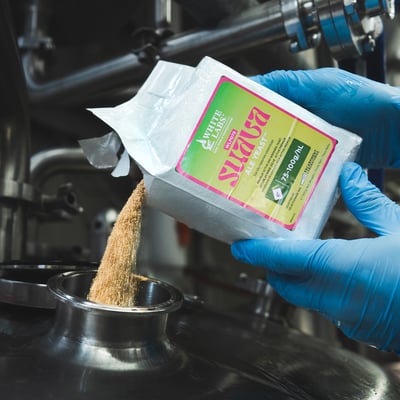
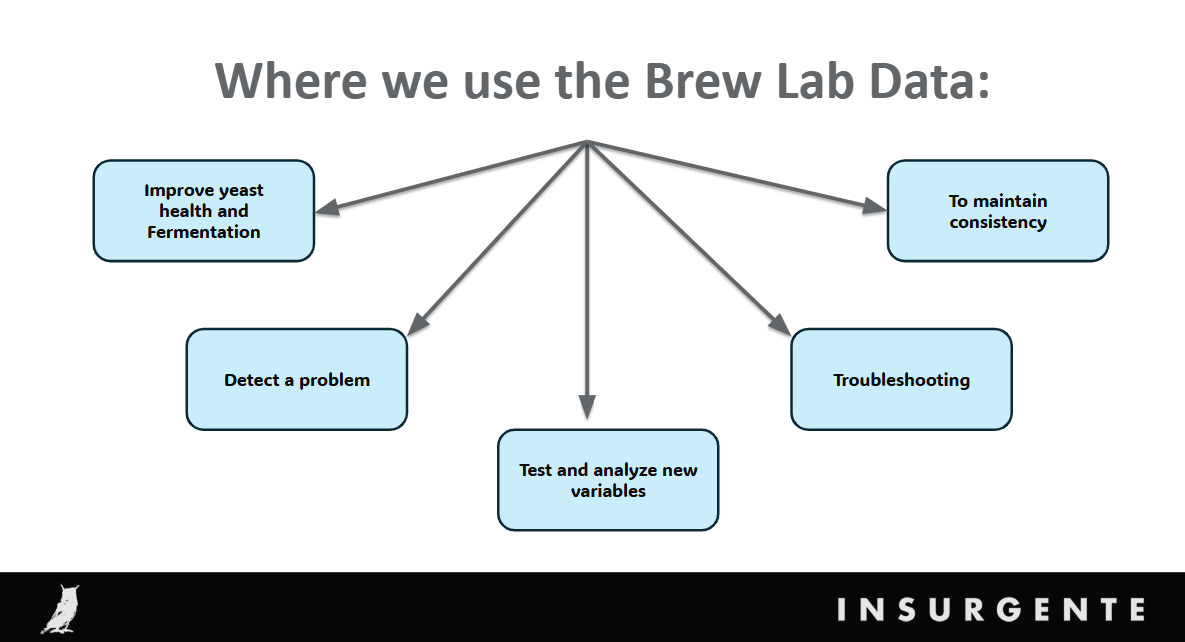
Quality assurance and quality control go a long way toward making your brewhouse more efficient. Brew Lab Data can be used to:
- Maintain Beer Consistency
- Detect a Problem
- Troubleshoot
- Test & Analyze New Variables and Ingredients
- Improve Yeast Health & Fermentation
- Lower Costs & Improve Efficiency
Cervecería Insurgente from Tijuana, Mexico, is a prime example of how using QA/QC brew lab data helps them make better brewhouse decisions.

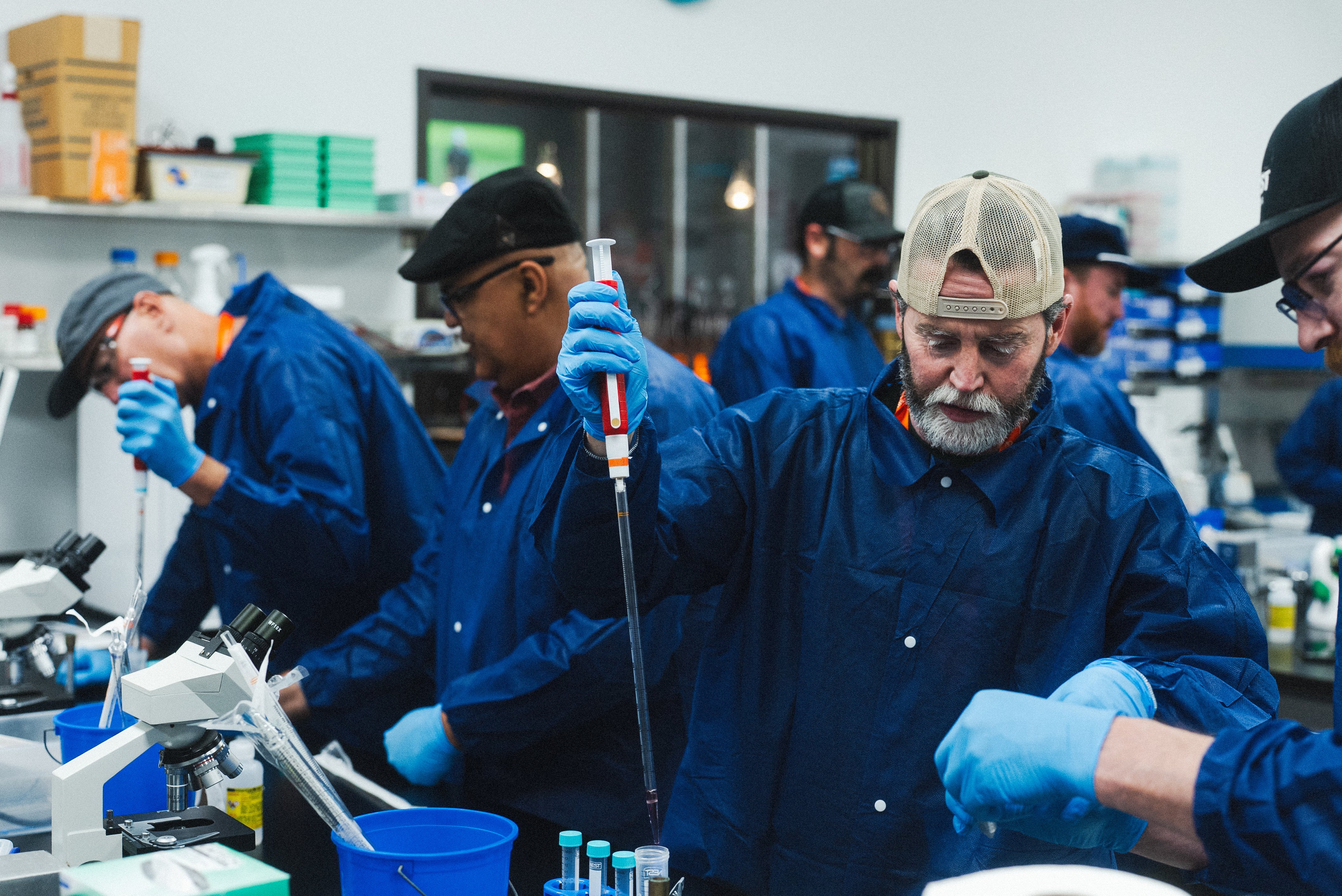
They were one of the featured guest speakers at our Yeast Essentials course in San Diego this past May. Our 3-day workshops, working directly with world-class fermentation specialists on learning yeast techniques used by top breweries around the globe. These workshops not only include knowledgeable lectures but also hands-on lab practice sessions, applicable QA/QC skills, and brewery visits.
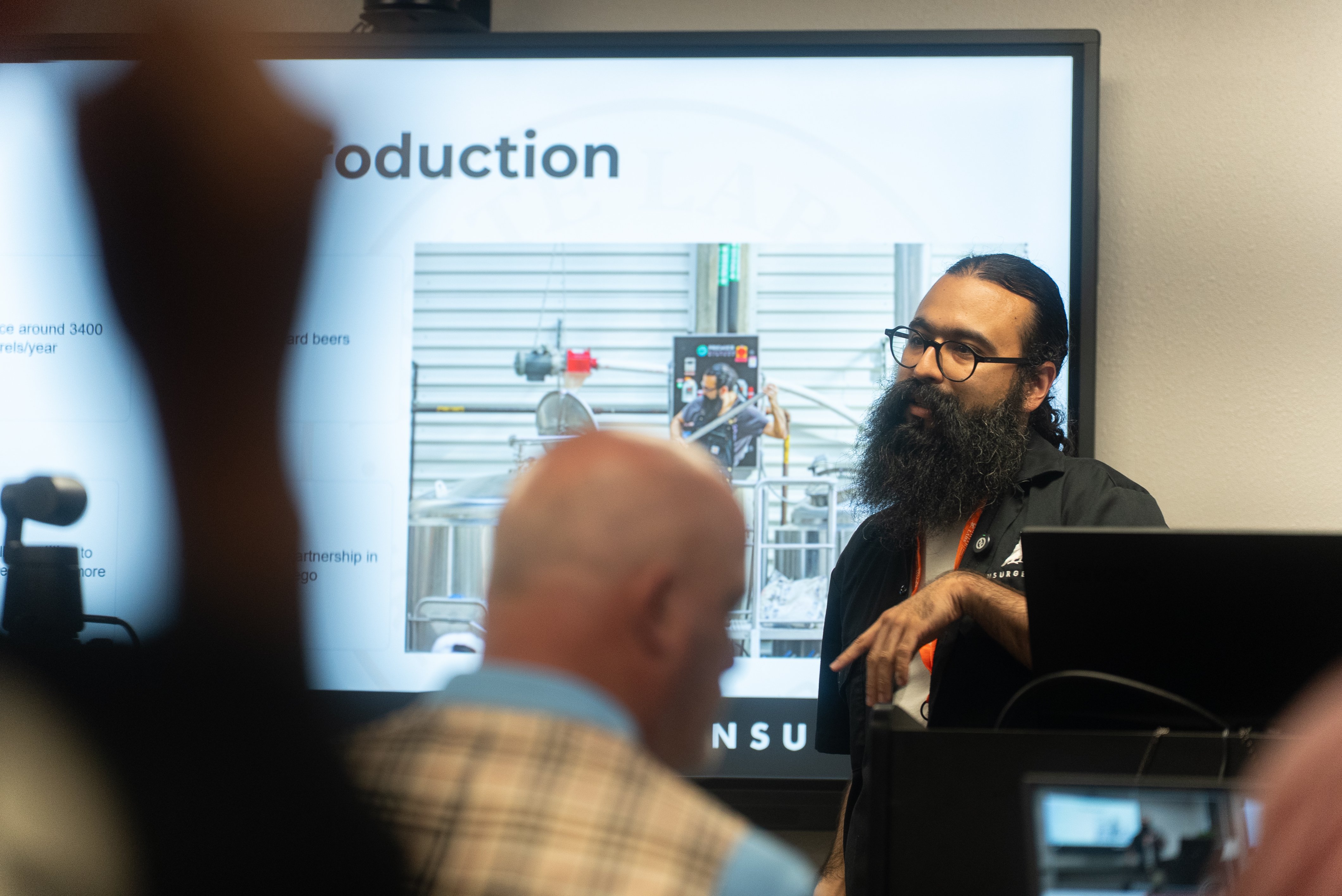
Head Brewer Gustavo Ivan Ríos Félix uses common brew lab data, with support from their lab staff, to make informed decisions. Here are some examples of how Lab Data can make a difference and how Cervecería Insurgente used their data to win an award-winning beer!
True to Brand
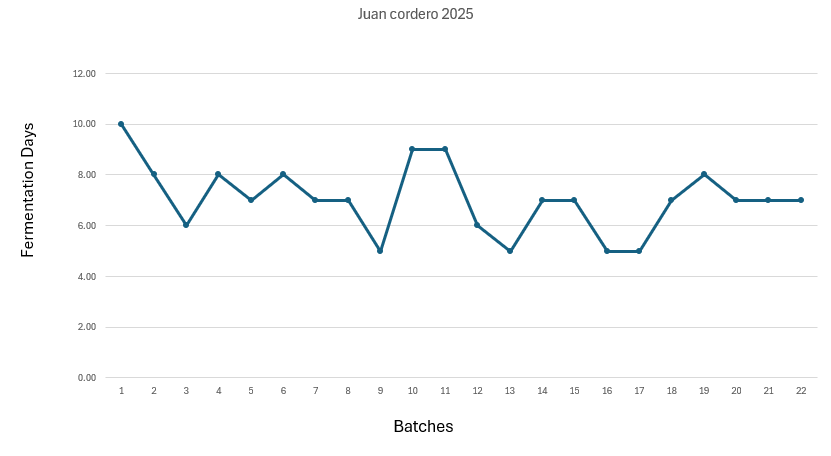
Fermentation Timelines
- By tracking your fermentation timelines, from gravity drops, pH drops, and days of fermentation per batch.
- Track Your
- Gravity
- pH
- Days of Fermentation
- Lineage of Yeast
- What is it?
- What Beer did it come from?
- Generation #
- Days of Storage
- Viability %
- Cell Count
- One could utilize this data to
- Optimize Cellar Planning & Scheduling for more efficient brews and less yeast storage times
- Create an “average trendline” fermentation graph to be able to flag problems
- Flagging a problem early, the better! Catching a pH drop that isn’t within the normal parameters of 48 hours can do wonders in saving that batch of beer.
- Slower than normal fermentations on an older generation, be proactive and get a new yeast order in!
Other Parameters
- Tracking data & creating an “average true-to-brand” is also exceptional for other parameters to use and ensure each batch of beer is to spec.
Dragula Oatmeal Stout
A great example would be Cervecería Insurgente’s Dragula Oatmeal Stout! Dragula is an oatmeal stout with a silky texture and bold character.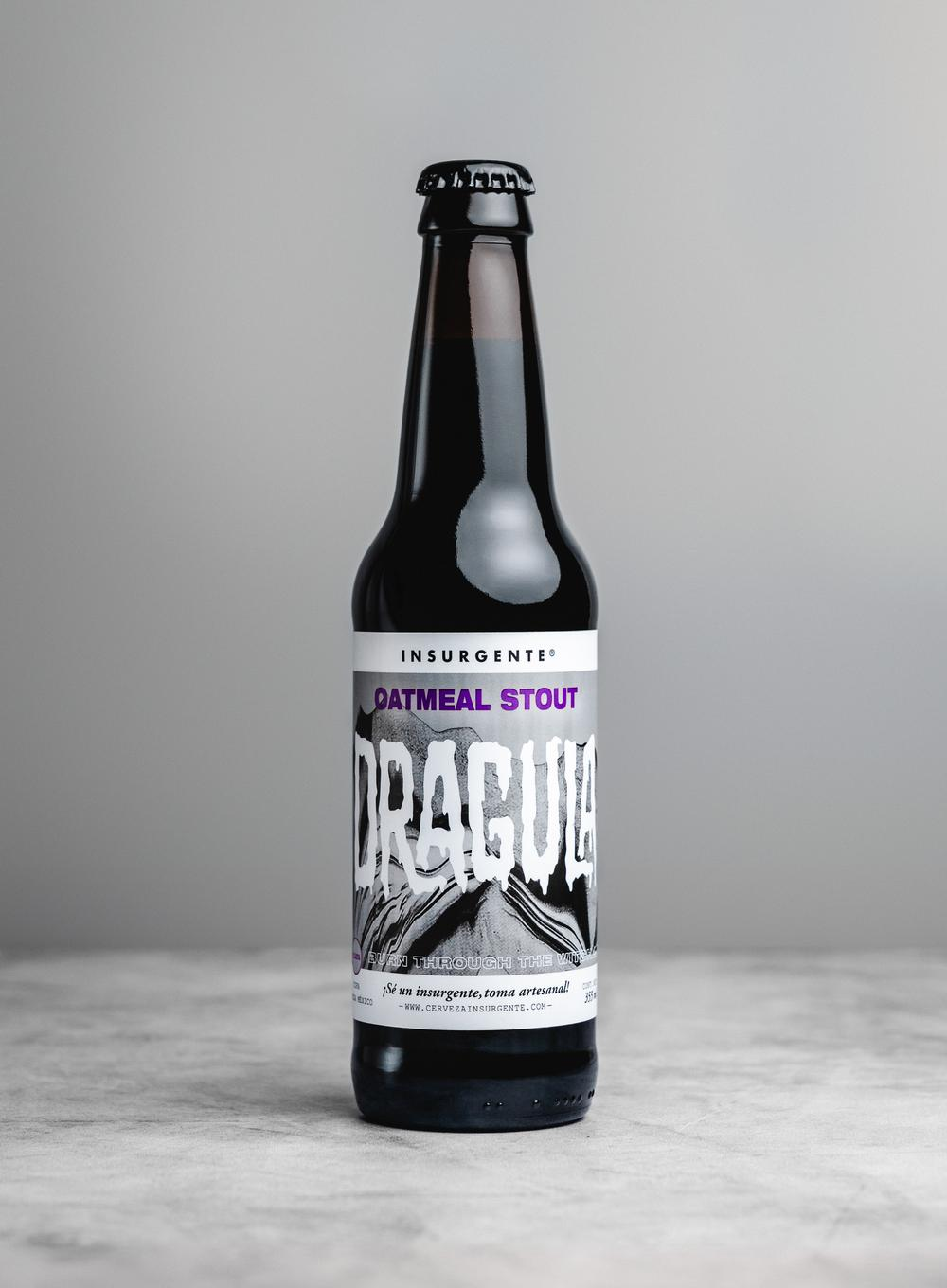 Cervecería Insurgente conducts a sensory panel once a week to test every batch of beer. These sensory panels help ensure a batch is true to brand, meeting the sensory requirements expected for that beer.
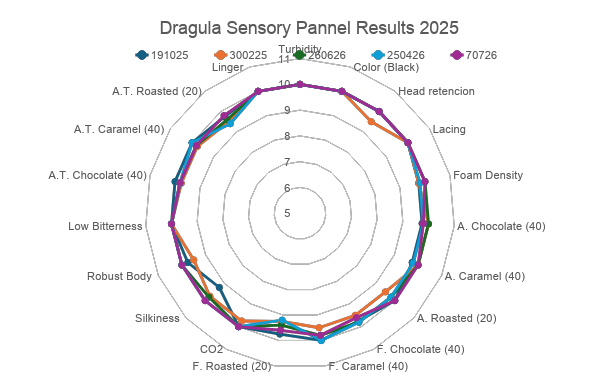
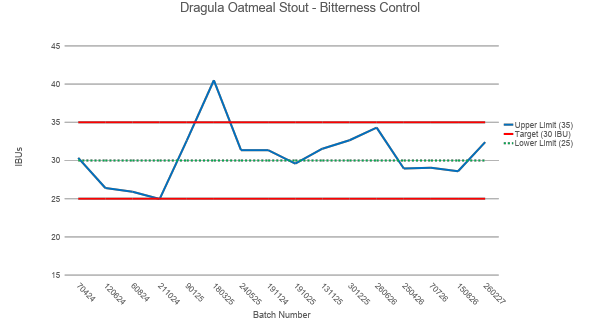
- IBU (International Bitterness Units) can help track a beer's perceived bitterness. Here’s an example of how Cervecería Insurgente flagged a Dragula Oatmeal Stout that was outside their range and not in spec with their taste profile.
This consistency has led Cervecería Insurgente to consistently win awards through their love for the craft and attention to detail, using their QA/QC Lab.
Awards:
GOLD - Copa Cervecera del Pacífico 2025 & 2026
GOLD - Cerveza México 2019 & 2024.
BRONZE - World Beer Cup 2025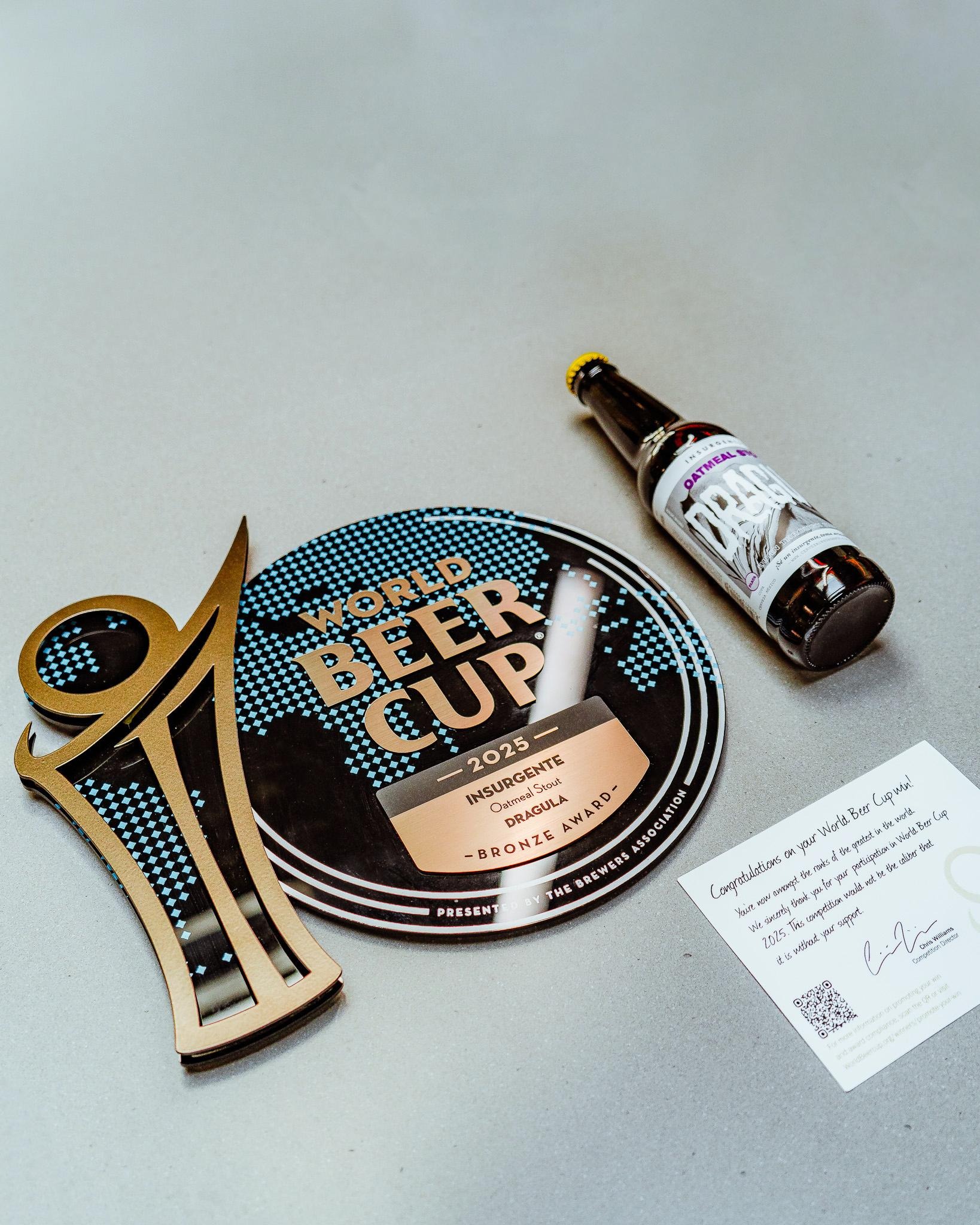
Problem Solving
Problems still do arise! Even with award-winning beer, Cervecería Insurgente encountered a Diacetyl spike that took longer than expected to clear.
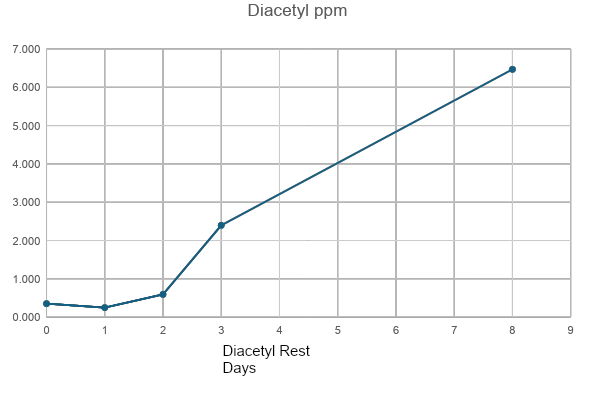
From their laboratory, they were able to plate the samples and check for contamination. Using microbiological techniques, they used HLP to identify a Lactobacillus infection. This microbiological lab data provided the resources needed to troubleshoot and identify the source of this infection.
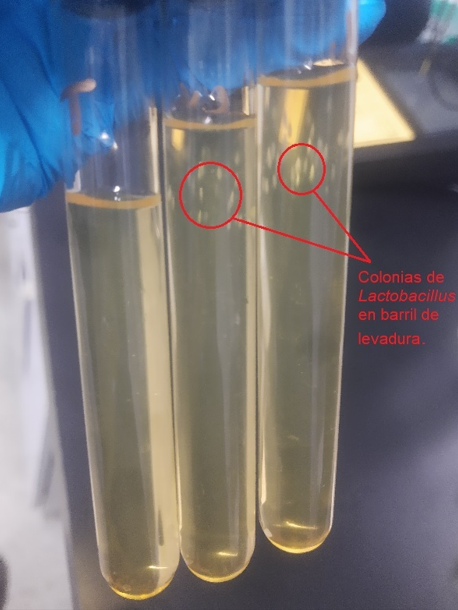
From an urgency to brew, they diagnosed the problem as a borrowed yeast pitch. They were also able to quarantine the beer and yeast. They also cleaned and CIPed the contact points of the contaminated yeast to prevent further contamination.
The most important corrective action was the implementation of a new protocol that added microbiological testing of new supplies and ingredients. As well as visually inspecting the yeast from other breweries and main harvest batches. 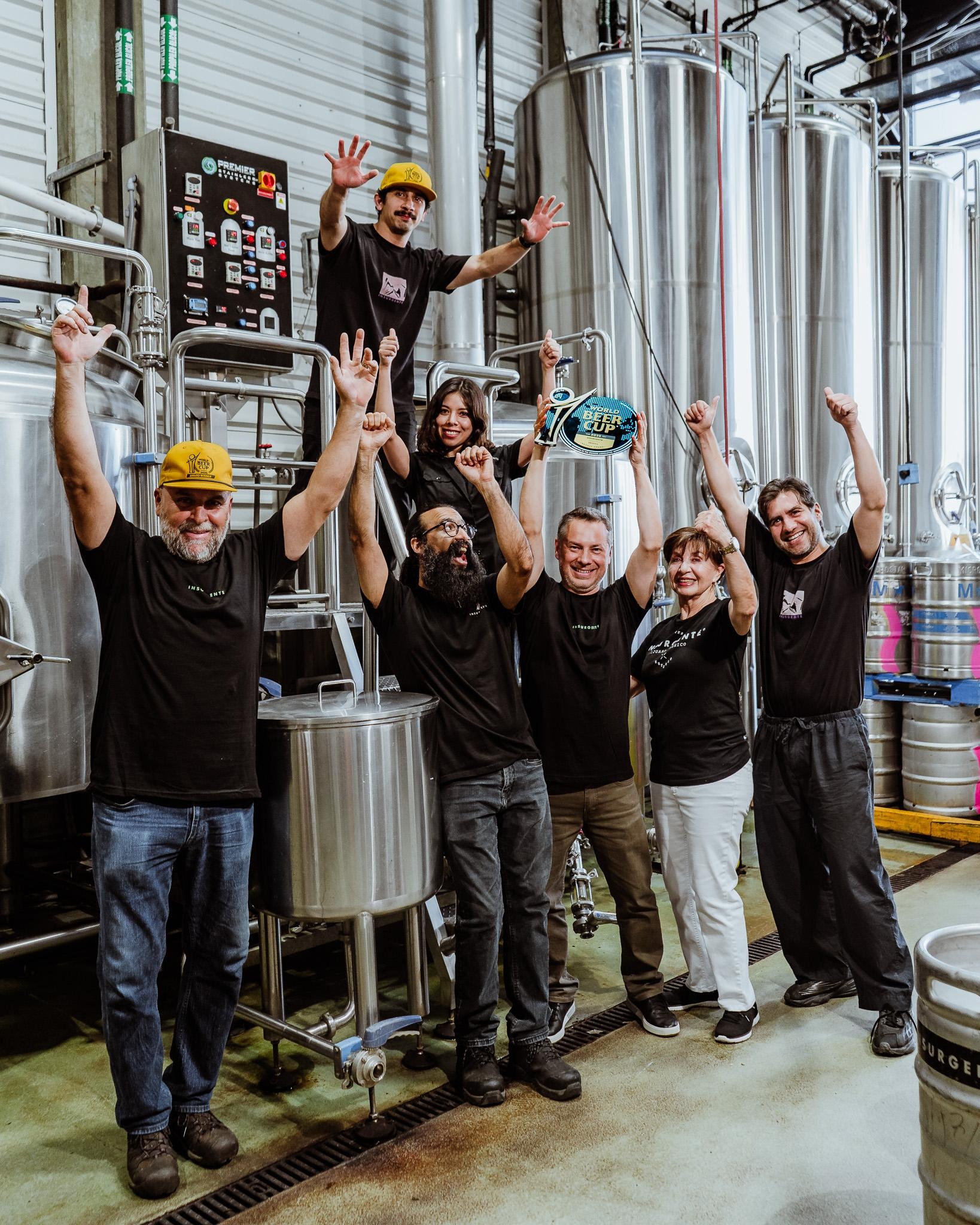

Don’t Have A Lab?
Don’t currently have a way to measure and collect data? White Labs Analytical Lab has you covered with Big QC Day. Big QC Day is our discounted subscription model where breweries can send in beer to create their own benchmarking of their product. From quarterly & monthly frequencies, breweries can compare their batches of beer within these parameters.
What's Included?
- Yeast and bacterial counts on HLP, LCSM, and WLD selective media
- Alcohol and attenuation values
- IBU
- Calories
- Color
- pH
- Diacetyl (As-Is)