Forced Fermentation Test

A forced fermentation test is performed to identify the final gravity/full attenuation potential of a wort sample and yeast culture. This is particularly helpful when developing new beer recipes, if there are changes in the mash profile, as well as working with new ingredients, including yeast.

The sample is held at a higher temperature and over-pitched to ensure complete attenuation is achieved before the production batch is finished. Analysis is performed by comparing the test’s attenuation potential to the production batch’s attenuation potential. In the case of slow or stalled fermentations, it can be used to identify if the issue arose from yeast health or brewhouse inefficiencies.

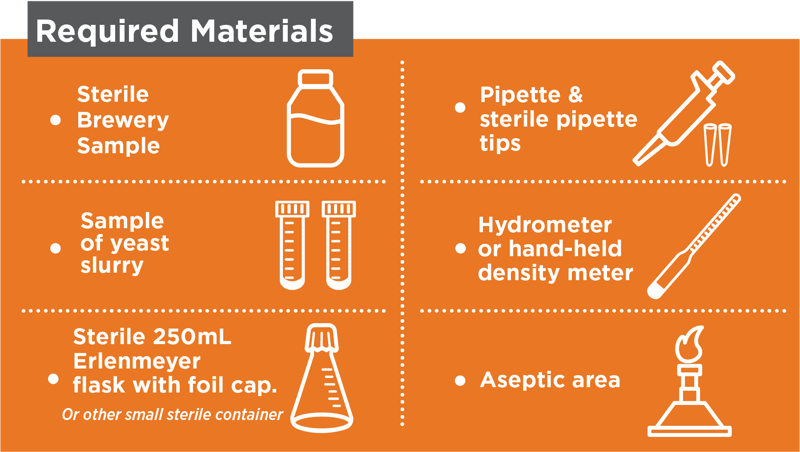
 

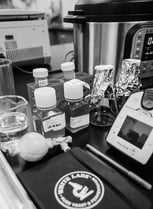
Forced Fermentation Testing GuideForced Fermentation Required Materials

Results

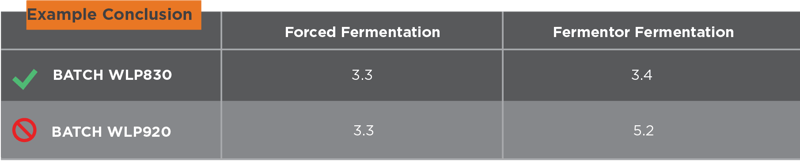
Forced Fermentation Example
  • If there is a difference between forced fermentation and fermentor fermentation, it could indicate contamination or other yeast-related problems such as wort oxygenation, yeast health, or pitch rate.
  • If both forced fermentation and fermentor fermentation are different from your expected calculated FG, it could indicate problems on the hot side, with mash temperature or other factors leading to a fermentation that does not contain enough fermentable sugars.
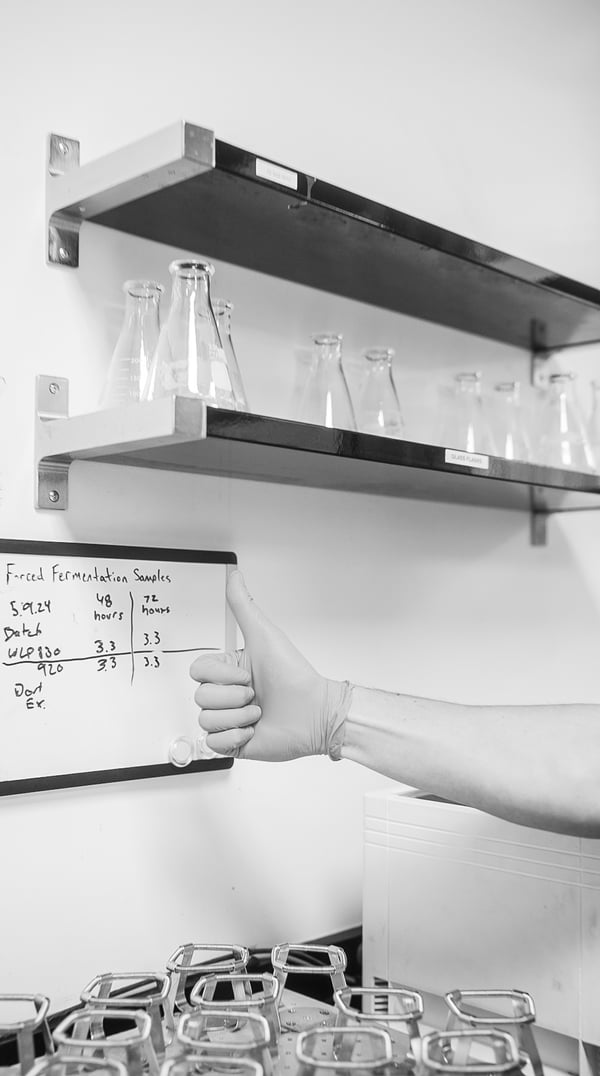

Forced Fermentation Results


Recent Posts

Featured image: The Story Behind WLP079 Suava Ale Yeast
Biotransformation
Dry Yeast
Aug 20, 2026

The Story Behind WLP079 Suava Ale Yeast

In modern brewing, the vast majority of beers are fermented using a narrow selection of highly domesticated industrial yeast monocultures. However, recent genetic research has unlocked historical yeast populations preserved for centuries by farmhouse brewers in Northern and Eastern Europe. A prominent result of this research is WLP079 Suava Ale Yeast (referenced in early developmental…

Read more
Featured image: Keeping Beers: True to Brand & Winning Awards
General
Cell Counting
Analytical Lab
QA/QC
Jul 21, 2026

Keeping Beers: True to Brand & Winning Awards

Quality assurance and quality control go a long way toward making your brewhouse more efficient. Brew Lab Data can be used to: Maintain Beer Consistency Detect a Problem Troubleshoot Test & Analyze New Variables and Ingredients Improve Yeast Health & Fermentation Lower Costs & Improve Efficiency Cervecería Insurgente from Tijuana, Mexico, is a prime example…

Read more
Featured image: Yeast Management: How the Best Brewers Think Through Fermentation
Pitch Rate
Apr 16, 2026

Yeast Management: How the Best Brewers Think Through Fermentation

Professional brewers are natural problem-solvers. Every brew day presents dozens of small decisions, grain bill adjustments, hop timing, tank scheduling, fermentation temperatures. Most of those decisions are based on experience, observation, and one simple question: “What variables actually matter here?” When it comes to fermentation, the breweries that produce the most consistent beer don’t just…

Read more