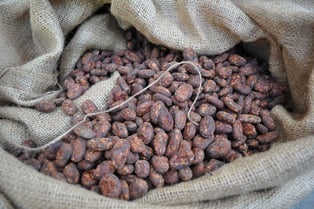
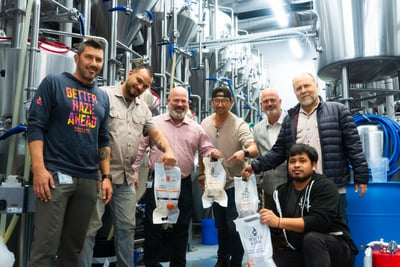
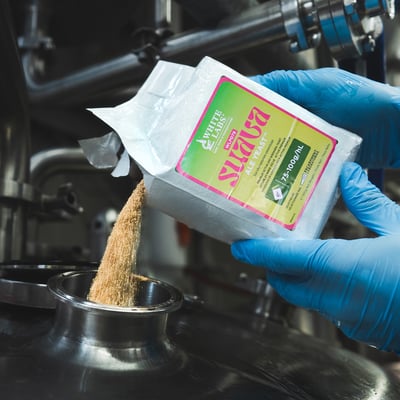
Fermentation Society is all about exploring new realms and possibilities. Check out the rediscovered strain of a cacao bean and use the yeast to brew in time for Valentine's Day!
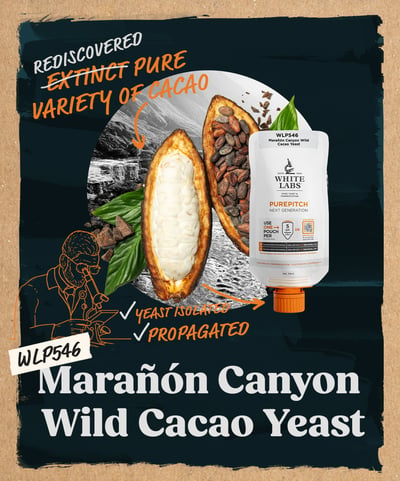
White Labs has teamed up with Marañón Chocolate to isolate and produce a unique yeast from a rare cacao variety—Pure Nacional—that was once thought to be extinct in Peru. The strain, WLP546 Marañón Canyon Wild Cacao, has now been released to customers for brewing beer.
The coveted cacao bean was rediscovered in late 2007 by Dan Pearson and Brian Horsley, founders of Marañón Chocolate, while sourcing tropical fruits in the remote Marañón Canyon of Northern Peru. Not knowing what they stumbled upon, the pair sent the cacao tree leaves to the USDA Genetics Laboratory. USDA confirmed it was the same variety that had once dominated the chocolate market, but vanished in 1916 when diseases struck and killed the trees that grew these cacao beans.
 QUICK FACTS
- Name: WLP546 Marañón Canyon Wild Cacao
- Style Recommendation: Farmhouse/Saison
- Alcohol Tolerance: Medium (5-10%)
- Attenuation: 65-70%
- Flocculation: Low
- Optimum Fermentation Temp: 65-75℉ (18-24℃)
- Strain Description: This yeast was isolated from the thought to be extinct Pure Nacional variety of cacao. In 2007, this rare variety with white beans was rediscovered in the remote Marañón River Canyon in Peru. The fruity, phenolic, and wild-like characteristics of this strain make it an ideal choice for farmhouse and saison-style beers.
Then, in 2015 and 2016, El Niño weather systems hit Peru, impacting the wild yeast responsible for the beans renowned characteristic flavor. To preserve the wild microflora, Pearson reached out to Kara Taylor, technical laboratory manager at White Labs, to see if the international yeast company could capture the wild yeast from fermenting beans. They succeeded.
“After they successfully isolated the wild cacao yeast, our next thought was ‘can you make beer with it?’” said Pearson. “So I asked Kara if she thought it was possible, and she told us that the odds of isolating and stabilizing a wild yeast were very slim, but that they would try, and fortunately for us, they did!” “I was skeptical that we would find a wild yeast on the cacao that had the capabilities to ferment beer,” noted Taylor. “We love to find yeast in unique places, but it’s unusual to find yeast that will ferment maltose while tasting and smelling good. In this case, we found a unique strain that creates a farmhouse type aroma and flavor profile.”
On top of isolating and propagating this cacao yeast, White Labs also brewed a test batch of beer which captured the esteemed fruit, floral and spicy flavors that the chocolate is known for producing. White Labs found that WLP546 Marañón Canyon Wild Cacao produces fruity, phenolic, and wild-like characteristics that make it an ideal choice for farmhouse and saison-style beers.
WLP546 Marañón Canyon Wild Cacao is being released now through the White Labs Fermentation Society while supplies last!
Did you know?!
 Chocolate is fermented! When cacao beans are harvested, the bean and white pulp are fermented in a large vat.
By allowing the natural microbes undergo fermentation on the beans, it can help transform the bitter not as appetizing bean into something more rich and complex. The microbes will break down carbohydrates into simple sugars, allowing sweet caramelization during roasting.
Most of the different fruity aromas and appeasing characteristics come from fermentation. They will also produce some alcohol taken up by acetic acid bacteria to produce acetic acid. This acid helps change certain components of the cacao bean, creating even more depth and complexity.